
Share George Masayuki Kobayashi's obituary with others.
Invite friends and family to read the obituary and add memories.
Stay updated
We'll notify you when service details or new memories are added.
You're now following this obituary
We'll email you when there are updates.
Select your format and elements to print

IN LOVING MEMORY OF George Masayuki Kobayashi
George Masayuki
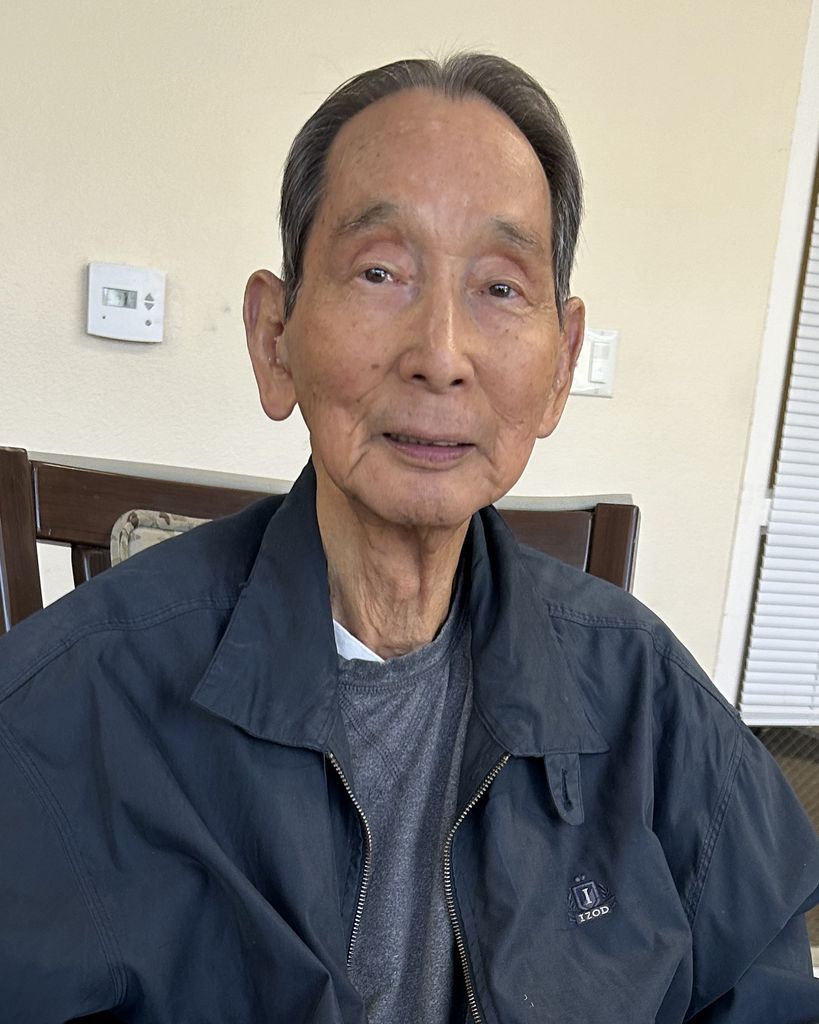
Kobayashi
Oct 31, 1931 — Aug 31, 2026
Arleta, CA
George Masayuki Kobayashi's Obituary
On the 31st of October, 1931, in the community of Puunene, deep in the heart of the sugar industry of central Maui, George was born to Yoshio and Fuji Kobayashi. He was their eighth child. His friends would call him Mapu.
The humid air was thick that day with the scent of burnt sugar during the harvesting season. Early-morning field burns removed excess leaves before the sugar cane was transported to the Puunene mill. George would smell the scent of burnt sugar in his dreams for years to come.
The large Kobayashi family lived in McGerrow Camp, one of the many camps on the Hawaiian Commercial & Sugar Company plantation that housed the Japanese, Portuguese, Puerto Rican, and Filipino immigrant laborers and their families since the early 1900s.
George attended Baldwin High School, where he played football—on both offense and defense. And so began his lifelong love for the game. About a year after graduation, the Korean War broke out. He served honorably in the Army and was promoted to sergeant. There, in Korea, he became skilled in working with radar systems.
In Los Angeles, after the war, he was introduced to Jayne Mariko Kuwano, who lived up north. Theirs was a long-distance romantic relationship, and after six months, they married. They eventually bought a home in Carson, where Asians and others could buy houses without encountering discrimination.
George used his GI Bill benefits to earn his electrical engineering degree at night while he worked during the day. His two young daughters had to remain quiet while he studied, huddled over his wooden drafting table, a cone-shaped desk lamp casting light on his diagrams. But as soon as he completed his studies, his children took over the drafting table, drawing whimsical pictures of houses on it with green and orange felt markers.
In 1972, George had been commuting for a year in heavy traffic to his job as a test engineer with ITT Gilfillan, which was based in Van Nuys, thirty-five miles away. Every workday he tested and troubleshot complex radar systems. Tired of the long commute, he moved the family to the San Fernando Valley—a large, sprawling suburb frequently buffeted by hot and dry Santa Ana winds, so unlike the cool trade winds of Maui where he had grown up.
Throughout his long life, George maintained close contact with his friends from McGerrow Camp, a number of whom had settled in Southern California. His favorite football team was the Los Angeles Rams. He also read constantly, particularly espionage novels by author Brad Thor. He was deeply proud of his daughters and granddaughter, celebrating their academic achievements and professional accomplishments.
Following his wife’s death, George resided with his brother Chiaki, who was also a widower. The brothers often drove to Santa Anita Race Track. After his brother passed away in 2019, George lived at Nikkei Senior Gardens in Arleta, where he became a very active resident and made many new friends. He was beloved by the staff there, always remembering everyone’s name, always courteous and grateful for their help.
George faced the challenges of congestive heart failure with remarkable strength and quiet resolve, rarely complaining about its effects. He passed away peacefully in his sleep. He was 94.
George was preceded in death by his beloved wife, Jayne; his parents, Yoshio and Fuji; his sister, Ellen Moniz; and his brothers, Yoshimasa, Masayoshi, Rudy, Tom, Chiaki, and Manabu. He is survived by his brother, Hitoshi; his two daughters, Lark (Duane) and Robin (Christopher); his granddaughter, Madison; and many nieces and nephews, who will carry his memory and legacy in their hearts.
George Masayuki Kobayashi's Guestbook
Visits: 132
This site is protected by reCAPTCHA and the
Google Privacy Policy and Terms of Service apply.
Service map data © OpenStreetMap contributors